As globalization continues to expand, transportation projects have been on the rise, particularly in Asian countries in recent years. This upward trend is expected to persist for the next few decades.
When specifying door hardware for transportation projects, some of the key considerations include security, durability, functionality, safety, and aesthetics. These factors are critical in ensuring that the hardware meets the high demands of such infrastructure while delivering long-term value and performance.


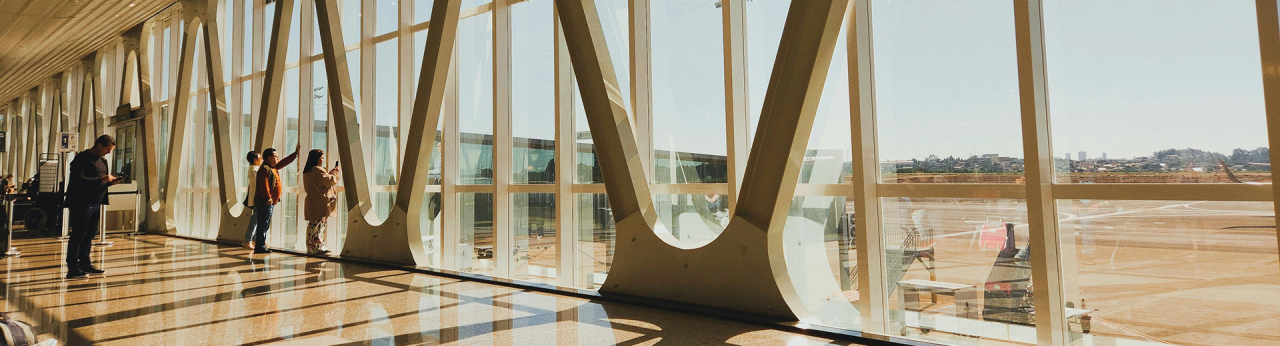
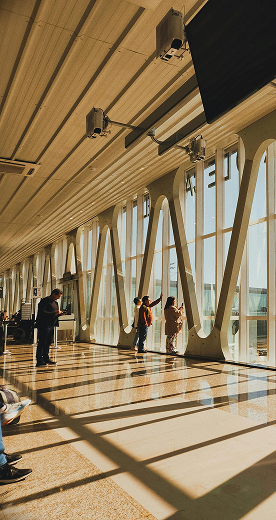
Transportation infrastructure is one of the vertical markets characterized by the heaviest human traffic, particularly in airports that operate 24/7 and train stations that run for extended hours.
As people transit between places and across countries, it is crucial to implement solutions that provide long-lasting durability and reliable functionality, ensuring they can withstand high volumes of usage and deliver consistent performance over the long term.

Security is another critical consideration, particularly when it comes to restricting access to sensitive areas within train stations. These include control rooms, signal rooms, ticketing and revenue offices, security monitoring rooms, and communication rooms, where only authorized personnel should have access to ensure the safety and integrity of operations.
In the context of airports, several highly secured areas are specifically designed to safeguard passengers, staff, and operations. These areas are strictly restricted and not accessible to the public. Examples include the air traffic control tower, baggage handling areas, customs and immigration processing zones, the airport operations center, data centers and IT infrastructure rooms, as well as VIP lounges and diplomatic areas. Ensuring these spaces remain secure is paramount to maintaining the overall safety and efficiency of transportation hubs.

As society continues to modernize, public transportation projects have evolved beyond merely serving their basic purpose of transporting people from one point to another. The aesthetics of these facilities are becoming increasingly important, as they contribute to the overall experience and appeal of the space. Door hardware, in particular, plays a significant role in enhancing the interior aesthetics of these environments.
In addition to fulfilling its functional role at every entryway, door hardware can be thoughtfully designed to complement the overall aesthetic vision of the project. Some key features that project owners may consider include the design of the hardware, the finishes applied to it, and the use of concealed hardware wherever applicable. These elements not only ensure the functionality of the hardware but also elevate the visual appeal, creating a seamless and modern look that aligns with the architectural and interior design of the facility.

With 30+ brands sold in over 120 countries across the globe, we specialise in doorway and access security.